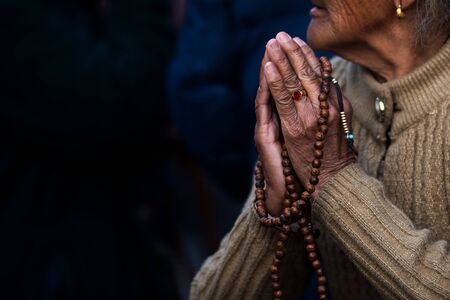

Introduction to Insurance in Indias Religious Landscape
India is a nation where faith and daily life are deeply interwoven, with religious practices forming the backbone of social interactions, community festivals, and individual routines. From massive gatherings like the Kumbh Mela to local temple festivals and regular congregational prayers, religion has a significant influence on public life across urban and rural India. These events often involve large crowds, intricate rituals, and substantial assets—both human and material—making them susceptible to various risks such as stampedes, fire accidents, theft, or natural calamities. As India’s socio-economic landscape evolves and religious gatherings become even more elaborate, the involvement of insurance companies is emerging as an essential safeguard. The insurance sector is now poised not only to provide financial protection against unforeseen incidents during religious activities but also to play a proactive role in risk assessment and management for these culturally significant events. This intersection of faith, society, and insurance opens new avenues for both social responsibility and business innovation within Indias unique cultural context.
Types of Religious Practices Covered by Insurance
India’s rich cultural and religious diversity brings with it a wide array of religious practices, events, and assets that hold immense significance for communities across the country. Insurance companies in India have recognized the unique risks associated with these religious activities and structures, and have developed tailored coverage solutions to address their needs. This section examines common religious activities, events, and assets—such as temples, processions, and pilgrimages—and explains how insurance coverage is structured for each within the Indian context.
Religious Structures and Assets
Temples, mosques, churches, gurudwaras, and other places of worship are central to religious life in India. These structures face risks like fire, theft, natural disasters (such as floods or earthquakes), and vandalism. Insurance policies for religious buildings typically include:
| Asset Type | Risks Covered | Common Insurance Features |
|---|---|---|
| Temples & Places of Worship | Fire, Theft, Natural Calamities, Vandalism | Structure Protection, Contents Coverage (idols, ornaments), Public Liability |
| Religious Artifacts & Ornaments | Theft, Damage during Rituals/Events | Special Valuables Cover, Transit Insurance |
Religious Events and Processions
Annual festivals (like Ganesh Chaturthi, Durga Puja), processions (yatra), and community gatherings attract large crowds. Such events increase exposure to risks such as crowd stampedes, accidental fires from diyas or fireworks, property damage, and liability towards third parties.
| Event Type | Key Risks | Insurance Solutions Offered |
|---|---|---|
| Pilgrimages (Yatra) | Accidents (road/rail), Stampedes, Health Emergencies | Group Accident Policies, Medical Emergency Coverages |
| Festivals & Processions | Crowd-related Injuries, Property Damage, Fire Accidents | Event Liability Insurance, Fire & Accident Coverages |
Pilgrimages and Mass Gatherings
Pilgrimage sites like Kashi Vishwanath Temple or Amarnath Yatra witness millions of devotees annually. The risks here include mass accidents, health issues due to weather or terrain conditions, and logistical disruptions. Insurance companies offer specific pilgrimage insurance products addressing:
- Covers for accidental death or injury during travel or stay at pilgrimage sites.
- Emergency medical expenses for sudden illness or accidents.
- Baggage loss/theft protection for pilgrims.
- Civil liability coverage for organizers against unforeseen incidents impacting participants.
Customized Coverage: A Local Touch
The structure of insurance policies often reflects regional sensitivities and legal requirements. For example:
- Some state governments mandate basic insurance for major public religious gatherings.
- Certain insurers provide add-on covers for specific rituals involving fire or hazardous materials.
- Schemes may include compensation packages for volunteers (sevadars) participating in event management.
Conclusion: Growing Scope in a Dynamic Landscape
The scope of insurance coverage around religious practices in India is expanding rapidly as both awareness of risk and regulatory encouragement increase. By customizing products for the distinctive risks posed by India’s vibrant religious landscape, insurance companies are playing a critical role in safeguarding not just physical assets but also social harmony during moments of collective faith.

3. Cultural Sensitivities and Ethical Responsibilities
India is a land of remarkable religious and cultural diversity, where faith traditions shape not only social life but also influence economic activities and business practices. For insurance companies engaging with communities in India, understanding and respecting these religious sentiments is both a social obligation and an ethical imperative. Insurers must be acutely aware that rituals, festivals, and beliefs can impact policyholder expectations and claims processes. For instance, events such as Kumbh Mela or Amarnath Yatra draw millions of devotees who seek not just physical safety but also spiritual assurance—making the role of insurers crucial during such times.
Ethical responsibilities for insurers extend beyond simply selling policies; they must ensure that their products are sensitive to local customs and do not inadvertently offend or disrupt religious practices. This means considering timings for claim settlements around major festivals, ensuring that communication respects local languages and idioms, and avoiding promotional strategies that could be seen as exploitative during periods of religious significance. Furthermore, insurers are expected to maintain transparency and fairness in dealings with all faith groups, upholding the trust placed in them by diverse communities across India.
Ultimately, insurance companies operating in India must navigate a complex landscape where business objectives intersect with profound cultural values. By honoring the ethical expectations of the population—such as empathy towards loss during religious pilgrimages or sensitivity in handling claims related to sacred objects—insurers can foster long-term goodwill and demonstrate true corporate social responsibility. This approach not only mitigates reputational risk but also aligns with Indias ethos of unity in diversity, reinforcing the positive social impact that insurance can have when practiced with integrity and respect for all faiths.
4. Risk Evaluation and Management
Religious practices in India are deeply rooted in community participation and collective faith, often involving large gatherings, processions, and rituals at temples, mosques, gurdwaras, and churches. These events, while spiritually significant, come with unique risks that require careful evaluation and management by insurance companies.
Unique Risks Associated with Religious Activities
Religious gatherings in India can attract thousands or even millions of devotees, especially during festivals like Kumbh Mela, Ganesh Chaturthi, or Eid celebrations. The concentration of people increases the probability of accidents, stampedes, fire hazards, theft, and even acts of vandalism. Religious properties—many centuries old—face risks from natural disasters such as floods and earthquakes, as well as everyday threats like electrical short circuits or structural failures.
Key Risk Areas Evaluated by Insurers
| Risk Category | Example Scenarios | Insurance Solutions |
|---|---|---|
| Crowd Management | Stampedes during processions or festivals | Public Liability Insurance |
| Property Damage | Fire at a temple due to lamps or candles | Property Insurance (Fire & Allied Perils) |
| Theft & Vandalism | Theft of donation boxes or sacred artefacts | Theft Insurance/All-Risk Policy |
| Natural Disasters | Flooding during monsoon affecting mosque premises | Comprehensive Property Insurance with Disaster Add-ons |
| Bodily Injury | Pilgrims injured during religious rituals or crowd surge | Personal Accident Cover/Group Accident Policies |
Evaluation Process by Indian Insurers
Insurance companies in India typically conduct site visits to religious places to assess vulnerabilities. This includes checking the age and condition of buildings, emergency exits, fire safety measures, crowd control protocols, and historical claim data. Insurers also collaborate with local authorities to understand the scale of upcoming events and likely risk factors. Based on this assessment, insurers determine premium rates and policy coverage tailored to the specific needs of each religious institution.
Cultural Sensitivity in Risk Assessment
Given the socio-religious importance of these spaces in India, insurers must approach risk management with cultural sensitivity. Engaging with religious leaders and committees helps develop trust and ensures that recommended safety measures align with traditional practices without causing offense or disruption.
5. Social Impact: Community Resilience and Trust-building
Insurance companies in India play a pivotal role in strengthening the social fabric of religious communities by providing financial protection and support to temples, mosques, churches, gurudwaras, and other faith-based institutions. Through tailored insurance products, these companies help religious bodies recover from unforeseen events such as fire, theft, natural calamities, or accidents during large gatherings. This proactive risk management not only safeguards valuable assets and heritage properties but also ensures uninterrupted community services that these institutions provide.
Fostering Trust Among Devotees
When devotees see that their place of worship is insured, it builds confidence in the institution’s ability to withstand adversities. Transparent insurance coverage demonstrates responsible stewardship by religious leaders, fostering trust among followers who contribute donations and participate in rituals. Such assurance encourages greater community involvement and sustains traditional practices without fear of financial setbacks.
Empowering Community Welfare Initiatives
Many religious organisations in India are actively involved in social welfare activities such as langars (community kitchens), medical camps, educational drives, and disaster relief efforts. Insurance acts as a safety net for these initiatives, ensuring continuity even if unexpected disruptions occur. The ability to quickly access claims helps maintain essential services for vulnerable populations, reinforcing the role of religion in holistic community development.
Disaster Recovery and Financial Security
India faces frequent natural disasters—from floods in Kerala to cyclones on the eastern coast—that can severely impact religious sites and gatherings. By offering swift financial recovery mechanisms, insurance companies enable affected communities to rebuild faster and minimise loss of faith-based infrastructure. Furthermore, group insurance policies for pilgrims during large yatras or festivals offer peace of mind to families and organisers alike, enhancing overall resilience.
In essence, insurance coverage contributes significantly to the long-term stability of India’s diverse religious landscape. It not only upholds the spiritual well-being of millions but also empowers religious bodies to serve society with renewed confidence and accountability.
6. Challenges and Future Opportunities
Operational Hurdles in Serving Religious Communities
Insurance companies in India face unique operational challenges while catering to religious institutions and practices. The diversity of rituals, festivals, and large-scale congregations such as Kumbh Mela or temple processions requires robust risk assessment models. Logistics, crowd management, and property protection become complex tasks due to the unpredictable nature and sheer scale of many religious events. Moreover, insurers often grapple with limited historical data for rare but high-impact risks like stampedes or fire incidents during major religious gatherings.
Regulatory Considerations and Compliance
The Insurance Regulatory and Development Authority of India (IRDAI) mandates strict compliance guidelines for products designed specifically for religious organisations. Insurers must ensure transparency, fair pricing, and avoid any discriminatory clauses that could conflict with secular principles enshrined in the Indian Constitution. Navigating local state laws concerning religious trusts, endowments, and waqf boards adds another layer of regulatory complexity, demanding meticulous due diligence from insurance providers.
Concerns over Commercialization of Sacred Practices
A significant concern among faith leaders and devotees is the perceived commercialization of sacred spaces when insurance solutions are marketed aggressively. This can lead to apprehensions about prioritising financial interests over spiritual values. Ethical considerations thus play a crucial role; insurers need to engage sensitively with community leaders to ensure offerings are seen as protective measures rather than profit-driven interventions.
Innovative Opportunities for Inclusive Growth
Despite these hurdles, there are compelling opportunities ahead. Customised microinsurance products tailored to protect pilgrims, volunteers, and temple assets can enhance social welfare while fostering financial inclusion. Digital platforms enable seamless policy issuance and claims processing even in remote locations hosting religious events. Furthermore, partnerships with local non-profits and religious boards can strengthen trust and drive awareness about risk mitigation. As insurers innovate responsibly, they can contribute meaningfully to safeguarding both the material and cultural heritage intrinsic to India’s vibrant religious landscape.