
Introduction to Agriculture Insurance in India
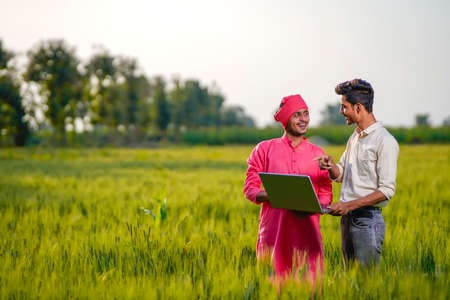
Agriculture insurance plays a crucial role in the lives of Indian farmers, providing a safety net against the unpredictable nature of farming. In a country where over half the population depends on agriculture for their livelihood, climatic uncertainties such as droughts, floods, and cyclones can have devastating effects on rural communities. Agriculture insurance schemes, like the Pradhan Mantri Fasal Bima Yojana (PMFBY) and other state-led initiatives, are designed to protect farmers from financial losses due to crop failure and natural calamities. These schemes are especially significant for small and marginal farmers who often lack the resources to recover from adverse events. By addressing local rural needs and challenges, agriculture insurance not only helps stabilize farm income but also encourages investment in better farming practices. As the landscape evolves, both digital and offline claim processes continue to adapt to ensure wider coverage and timely support for all segments of India’s vast agrarian community.
2. Traditional Claim Process: Offline Documentation
The traditional approach to agriculture insurance claims in India has long relied on manual, paper-based procedures. This method, still prevalent in many rural areas, often presents unique challenges for farmers who depend on timely compensation after crop losses due to unpredictable weather or pest attacks.
Required Documents for Offline Claims
Indian farmers must gather several essential documents to file an offline insurance claim. These requirements can vary slightly by state and insurance provider, but typically include:
| Document Type | Description |
|---|---|
| Insurance Policy Certificate | Proof of enrollment in the relevant agricultural insurance scheme (like PMFBY or WBCIS) |
| Land Ownership/Lease Records | Patta passbook or lease agreement verifying land rights |
| Crop Sowing Certificate | Verification from local agricultural officers regarding sowing details |
| Panchayat/Gram Sabha Report | Damage assessment issued by local governing bodies or revenue officials |
| Bank Account Details | Canceled cheque or passbook copy for direct benefit transfer of claim amount |
| ID Proof & Photographs | Aadhaar card, voter ID, and recent photos of damaged crops as evidence |
Common Hurdles Faced by Indian Farmers
The offline process is often slow and cumbersome, placing a burden on smallholder and marginal farmers. Some of the most common hurdles include:
- Complex Paperwork: Navigating multiple forms and verifying documents requires literacy and familiarity with government procedures.
- Bureaucratic Delays: Multiple visits to local offices for verification and approval can delay the claim settlement process significantly.
- Lack of Transparency: Farmers may not receive clear information about claim status, leading to frustration and lack of trust.
- Accessibility Issues: Remote villages may have limited access to insurance agents or government officials, further complicating timely claim submissions.
- Corruption Risks: Manual handling increases opportunities for middlemen to demand bribes for faster processing or approvals.
A Social Perspective: Impact on Marginalised Farmers
This conventional system often disproportionately affects India’s most vulnerable farming communities. Those lacking education, connectivity, or social capital face more significant barriers, undermining the intent of inclusive welfare schemes aimed at rural development. Bridging these gaps remains crucial for realising equitable protection for all farmers across Bharat.

3. Recent Digital Advancements in Claim Submission
India’s agricultural landscape has witnessed a significant digital transformation, particularly in the realm of crop insurance claim submissions. Farmers across the country are now benefiting from government-backed initiatives and new-age digital platforms that make the claim process smoother and more transparent. A prime example is the Pradhan Mantri Fasal Bima Yojana (PMFBY), which has been at the forefront of integrating technology into the insurance sector.
Under PMFBY and similar schemes, farmers can submit claims online via dedicated portals, mobile apps, and Common Service Centres (CSCs) available in rural areas. These platforms allow for real-time registration of crop losses, uploading of essential documents like Aadhaar card, land records, sowing certificates, and photographs of damaged crops. This shift to digital means not only reduces paperwork but also minimises delays caused by manual verification processes.
The use of satellite imagery, GPS-enabled crop cutting experiments, and weather data analytics further ensures that claims are verified swiftly and fairly. Additionally, SMS alerts and WhatsApp notifications keep farmers updated on the status of their claims, reducing anxiety and uncertainty during challenging times.
Government helplines and local Krishi Vigyan Kendras (KVKs) also play a vital role in guiding farmers through these digital processes. Training sessions and awareness drives are regularly conducted to bridge the digital divide and ensure that even small and marginal farmers are not left behind in this technological leap.
These advancements reflect India’s commitment to a more inclusive rural economy where technology empowers every farmer, making insurance claims less stressful and more accessible than ever before.
4. Key Documents Needed for Insurance Claims
When it comes to filing agriculture insurance claims in India, understanding the updated documentation requirements is crucial for both digital and offline processes. The government, along with various insurance providers, has made significant changes to streamline the claim process while ensuring transparency and inclusion across diverse regions. Below is a detailed list of essential documents required for both modes, keeping in mind regional differences and recent mandates.
Updated Document Checklist
| Document Type | Digital Submission | Offline Submission | Notes (Regional/Government Mandates) |
|---|---|---|---|
| Aadhaar Card or Voter ID | Scanned Copy / e-KYC Verification | Photocopy | Mandatory PAN-India as primary identity proof; e-KYC increasingly preferred in states like Maharashtra & Karnataka. |
| Land Ownership Proof (7/12 Extract/Patta/RTC) | Upload scanned document or digital record from land portal | Attested hard copy by local authority | Varies by state: 7/12 (Maharashtra), Patta (Tamil Nadu), RTC (Karnataka). |
| Bank Passbook or Cancelled Cheque | Digital image upload; UPI details also accepted in some schemes | Photocopy attached to claim form | Essential for direct benefit transfer under PMFBY & other schemes. |
| Cultivation Certificate/Crop Sowing Receipt | Online portal entry or scanned upload | Certificate issued by Gram Panchayat or Block office | Required mostly in rainfed/drought-prone areas; format varies by state. |
| Panchanama Report or Crop Loss Assessment Report | E-signed PDF from official app/portal where available | Original signed by local revenue/agriculture officer | Panchanama compulsory in states like Madhya Pradesh, Rajasthan, Telangana. |
| Photographs of Damaged Crop Field (with GPS Tagging if possible) | Geo-tagged photos uploaded via mobile app/portal | Printed photo attached to claim file; geo-tag optional but encouraged | Mandatory for digital claims; some offline processes now accept WhatsApp submissions regionally. |
| Insurance Policy Document/Receipt | E-policy document or soft copy receipt from insurer’s website/app | Xerox copy of physical policy certificate/receipt | Main proof of coverage; digital-first approach adopted in urban & semi-urban centres. |
| Sarpanch/Gram Pradhan Attestation (if applicable) | E-signature through village-level online platforms where available | Physical signature/stamp on form and documents | Still a key requirement in rural North India and Eastern states. |
| Mobile Number Linked to Aadhaar/Bank Account | Verification through OTP for digital filings | Mentioned on form for SMS updates/alerts on claim status | Simplifies communication and real-time status tracking across India. |
Important Regional Considerations and Government Directives
- Northeast States: Regional language documentation often accepted; mandatory translation if submitted digitally.
- Tamil Nadu & Kerala: Digital land records widely used; ‘e-Pattayam’ accepted as valid proof.
- Maharashtra: 7/12 extract digital download facility available via MahaBhulekh portal.
- Bihar & UP: Offline paperwork dominant, but pilot e-Panchayat services are being introduced.
Government Updates as of 2024:
- The Ministry of Agriculture mandates that all PMFBY claims above ₹50,000 must be filed digitally with Aadhaar-based e-KYC verification wherever feasible.
- The use of mobile apps such as ‘Crop Insurance App’ and CSCs (Common Service Centres) is encouraged for faster processing and grievance redressal especially in semi-urban and remote areas.
Sarvodaya Perspective:
This updated documentation process aims to empower farmers from every corner of Bharat—whether they rely on smartphones or traditional paperwork—making sure that no one is left behind due to lack of access or awareness. By embracing both digital innovation and regional sensitivities, the system strives for true inclusivity and timely relief to those who feed our nation.
5. Overcoming Barriers: Inclusion and Accessibility
India’s agricultural sector is the backbone of rural livelihoods, yet small and marginal farmers often face significant challenges in accessing insurance claim processes. The government and various stakeholders are working tirelessly to ensure that the latest digital and offline changes in agriculture insurance are truly inclusive and accessible to every farmer, regardless of their location or resources.
Addressing the Digital Divide
Digitalization has brought many benefits, but it also risks excluding those without reliable internet access or digital literacy. To bridge this divide, initiatives like Common Service Centres (CSCs) have been established across rural India, offering in-person assistance for claim documentation and submission. These centres act as a vital link for farmers who may not own smartphones or have limited exposure to online platforms.
Multi-Language Support and Regional Outreach
Recognizing India’s linguistic diversity, insurance providers now offer claim forms and guidance in multiple regional languages. This ensures that language barriers do not prevent farmers from understanding their rights or completing necessary paperwork. Local staff and field agents are being trained to provide personalized support in vernacular languages, fostering trust and clarity in the claims process.
Inclusive Offline Solutions
For those unable to use digital means, offline processes remain robust. Farmers can still submit physical documents at local banks, agricultural cooperatives, or through village-level entrepreneurs. Mobile vans equipped with claim processing facilities travel to remote areas during peak seasons, ensuring no one is left behind due to geographical constraints.
Empowering Women and Marginalized Communities
Special attention is being given to women farmers and marginalized groups who traditionally face greater hurdles. Tailored awareness campaigns, targeted workshops, and community-based support networks are helping these groups understand and access their insurance benefits without fear or hesitation.
The ongoing efforts reflect a strong commitment towards inclusive growth—where every kisan, regardless of size or circumstance, can confidently avail themselves of protection through agricultural insurance. By combining digital innovation with grassroots outreach, India is making strides towards a more equitable future for all its farmers.
6. Practical Tips for Farmers on Claim Applications
Best Practices for Smooth Documentation
For Indian farmers, understanding the evolving process of agriculture insurance claim documentation can feel overwhelming, especially with the ongoing shift towards digital platforms. Here are some practical steps to make your claim application seamless:
1. Keep Your Documents Ready
Always maintain updated copies of essential documents such as Aadhaar card, land records (Patta), bank passbook, and insurance policy details. For digital claims, scan or photograph these documents clearly using a mobile phone or scanner.
2. Understand Scheme-Specific Requirements
Different schemes like PMFBY and WBCIS may require specific forms or additional evidence such as crop loss photographs. Check your scheme guidelines regularly through official portals like pmfby.gov.in.
3. Timely Intimation is Crucial
Whether applying online or offline, always inform your local agriculture officer or insurance company about the crop loss within the stipulated time frame (usually 72 hours). Late intimation can result in rejection of claims.
4. Use Digital Platforms Where Possible
The Government’s Common Service Centres (CSCs) and state agriculture portals offer farmer-friendly interfaces to submit digital claims. These platforms often have step-by-step guides in regional languages to help you navigate the process.
Helplines and Support Resources
Call Centre Helplines
The PMFBY helpline (1800-180-1551) provides guidance in multiple Indian languages. You can also contact state-specific helplines listed on respective agriculture department websites for real-time assistance.
Local Krishi Vigyan Kendras (KVKs)
Your nearest KVKs can offer hands-on support for both digital and offline applications, including document verification and internet access for uploading files.
Agriculture Extension Officers
Reach out to local extension officers for clarifications regarding scheme eligibility, documentation checklist, and updates on claim status. They act as crucial liaisons between farmers and insurance companies.
Cultivating Awareness: Community Workshops & WhatsApp Groups
Participate in awareness drives organised by self-help groups, NGOs, or Gram Panchayats that explain claim procedures and recent changes in simple terms. Many districts run WhatsApp groups where farmers share tips, government circulars, and reminders on important deadlines.
Together Towards an Inclusive Future
Navigating insurance claims is no longer a solitary journey. By staying informed, leveraging digital tools, and reaching out to available support channels, every farmer—from smallholder to large cultivator—can benefit from timely compensation and greater financial security in times of agricultural distress.